Indoor Air Quality in Phoenix with Vetted IAQ Pros
Phoenix indoor air quality matters more than in most US markets. Valley Fever (coccidioidomycosis) is endemic, fungal spores in dust are a real disease vector. Add monsoon haboobs, wildfire smoke from California summers, and west-facing rooms with low ventilation, and IAQ becomes a measurable health investment, not a luxury. CheckedHomePros matches you with 3 vetted IAQ pros.
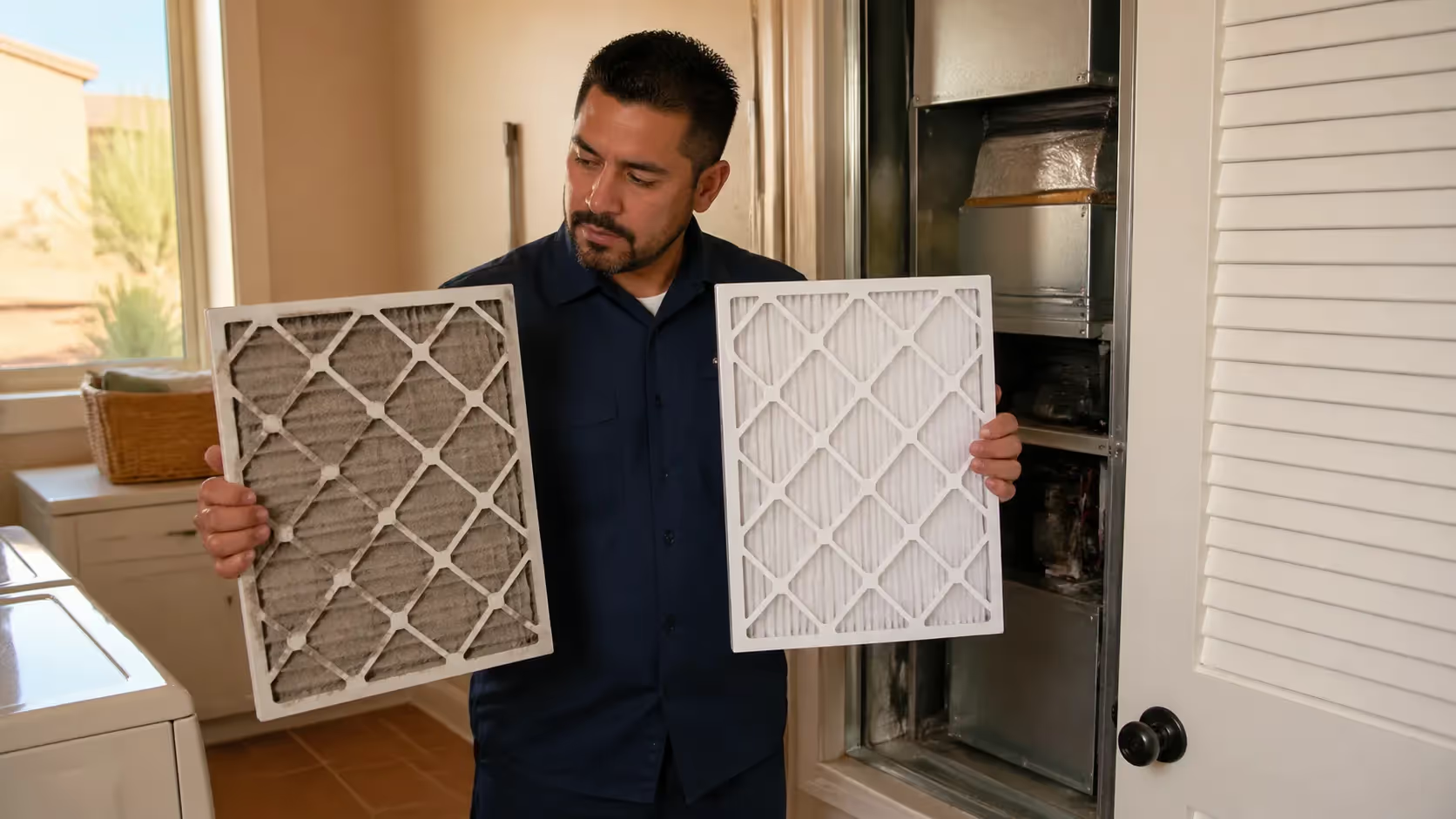
What indoor air quality (iaq) actually involves
IAQ services range from filter upgrades ($50 install) to whole-home media filtration cabinets ($800-1,500), UV-C germicidal lights ($400-800), HEPA bypass filters ($1,500-2,500), and full ERV/HRV ventilation systems for tight new construction ($2,000-5,000).
Phoenix-relevant IAQ concerns: Valley Fever spores (coccidioidomycosis fungal particles in dust), PM2.5 from monsoon dust storms, ozone in summer afternoons, wildfire smoke from California (summer), and pollen from mesquite, palo verde, and bermuda grass.
MERV ratings: MERV 8 catches dust mites, mold spores, and pet dander. MERV 11 catches pollen and most bacteria. MERV 13 catches Valley Fever-relevant spores and PM2.5. MERV 16 (hospital-grade) catches viruses but requires system airflow upgrades.
UV-C lights kill mold and bacteria on the evaporator coil, useful in Phoenix's humid monsoon season. They don't filter particles; they sterilize the coil surface to prevent biofilm buildup.
Phoenix-specific things to know
- MERV-13 installed without airflow check, higher MERV restricts airflow. Installing MERV-13 in a system that wasn't designed for it can starve the AC and cause coil freezing. A pro measures static pressure first.
- UV-C light pointed at the wrong surface, a UV bulb installed near the air handler does almost nothing; it needs to face the evaporator coil to kill biofilm. Many DIY installs miss this.
- ERV/HRV oversold for older Phoenix homes, energy/heat recovery ventilators make sense in tight new builds (2018+). Older Phoenix homes are leaky enough that ERV adds complexity without proportional benefit.
- Pre-filter not installed before MERV-13, high-MERV filters clog fast in dusty Phoenix without a coarse pre-filter. Pre-filter ($30-50) extends the MERV-13 ($25-50) life from 1 month to 3 months.
Typical indoor air quality (iaq) pricing in Phoenix
$50–$5,000
$50-200 filter swap, $400-800 UV-C light, $800-1,500 whole-home filter cabinet, $1,500-2,500 HEPA bypass, $2,000-5,000 ERV/HRV.
What to ask each pro you compare
- ✓Will you measure static pressure before recommending MERV-13?
- ✓What's your specific Phoenix IAQ concern (Valley Fever, smoke, allergies, dust)?
- ✓Where will the UV light be installed, and is the bulb replacement schedule clear?
- ✓What's the realistic energy cost of running this 24/7?
- ✓Is this a one-time install or does it require maintenance? At what frequency?
Our vetting standard for indoor air quality (iaq) pros
- ✓AZ ROC C-39 license
- ✓Static pressure measurement on truck
- ✓MERV-13 sizing experience
- ✓UV-C light certification (if applicable)
- ✓Doesn't aggressively upsell whole-home HEPA without showing measured data
Indoor Air Quality (IAQ): common questions
Do I need MERV-13 filtration for Valley Fever in Phoenix?
Are UV lights worth it for Phoenix HVAC?
How does Phoenix monsoon dust affect indoor air quality?
Should I get a whole-home air purifier or just a portable HEPA?
What air filter is best for Phoenix homes?
Related HVAC services
Indoor Air Quality (IAQ). Reading from our Phoenix HVAC blog

Monsoon HVAC Prep Checklist for Phoenix
A practical pre-monsoon checklist: condenser cleaning, electrical inspection, filter strategy, and what to do during a storm.
Best published: June
After the Dust Storm: AC Inspection Steps
Five things to check on your AC the morning after a major Phoenix haboob, and when to call a pro.
Best published: July
Best Air Filters for Valley Fever Concerns
Valley Fever is endemic in Phoenix. What MERV rating actually catches the spores, and the airflow tradeoff to watch.
Best published: AugustIndoor Air Quality (IAQ) by Phoenix Metro city
Local pricing, building-stock notes, and HOA considerations vary by city. Pick yours:
Get 3 free quotes for indoor air quality (iaq)
Up to 3 vetted local pros. 24h. Free for homeowners.